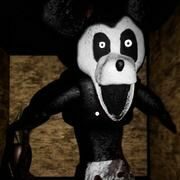


Yes, I’m Alone 2

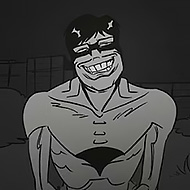
Yes, I’m Alone 2 looks like a straightforward horror visual novel sequel, the kind you click through once for the jump scares and forget by the weekend, but it plays like a slow character study of someone who already lost the fight the first game was about. The premise assumes you already know what happened before, and it does not slow down to re-explain the transformation at the center of the story.
| Genre | Horror visual novel (fangame) |
| Platform | Windows, macOS, Linux |
| Core Loop | Branching dialogue choices that determine which of nineteen endings you reach |
A Sequel That Assumes You Already Said Yes
The story picks up from the specific good ending of the first Yes, I’m Alone in which the protagonist joined the Visitor rather than resisting. Instead of treating that as a triumphant conclusion, the sequel treats it as the actual starting problem: you are no longer human, the change already happened, and the entire game is about what you do with that fact rather than whether you can undo it.
That structural choice is why jumping straight into Yes, I’m Alone 2 without playing the original first tends to leave new players disoriented. The predecessor spends its nine endings establishing who the pale visitor is and what refusing or accepting him actually means; the sequel skips past all of that groundwork and drops you directly into the aftermath of one specific choice.
Players who do come in fresh often describe the opening stretch as confusing rather than mysterious, which is a fair criticism given how much context the game assumes. It rewards familiarity with the first game far more than it rewards curiosity about the second one in isolation.
Wireface, the Pale Man, and What Carries Over
Both games are explicitly fangames built on No, I’m Not a Human, and the sequel pulls its two most important figures straight from that source material. Victor, referred to throughout as the Pale Man, is the figure the protagonist’s transformation is tied to, and the choice to align with him or push back against him drives most of the story’s branching. Wireface, a character from the original game’s later nights, also appears as part of the surrounding cast that carries over into this continuation.
The creator has been explicit that none of this is treated as canon to No, I’m Not a Human itself. That distinction matters for how the story is read: Yes, I’m Alone 2 is not trying to extend the official narrative, it is using that world’s established figures, Victor and Wireface among them, to tell its own self-contained story about what happens after someone stops resisting a Visitor and starts living as one.
In the base game, Wireface is defined by small tells: wires holding his mouth shut when he first appears, and speech built around a substitution cipher once those wires are gone. His presence here signals that the fangame keeps working inside the source material’s established character language rather than inventing a supporting cast from nothing.
Nineteen Endings and What Separates Bad from Brutal in Yes, I’m Alone 2
The ending count is one of the most discussed aspects of Yes, I’m Alone 2, and for good reason: nineteen distinct endings are packed into the game, split into nine bad endings, seven good endings, two endings the community and the game itself label “brutal,” and one unmarked “???” ending that functions as a secret. That is more than double the nine endings the first game shipped with, and it reflects a much larger branching structure overall.
The distinction between a plain bad ending and a brutal one is not just severity for its own sake; brutal endings tend to mark the points where the story commits hardest to showing the cost of certain choices rather than cutting away. Good endings, by contrast, generally represent some form of the protagonist finding a livable place within the transformation rather than reversing it outright, since reversal was never really on the table once the story begins where it does.
Chasing the full set of nineteen is a large part of why players return to the game after their first run. The unlockable gallery gives every ending a visible slot to fill, which turns what could have been a single linear horror story into something closer to a completionist puzzle about which combination of choices leads where.
Living With the Transformation Instead of Fighting It
What separates this sequel from a lot of horror visual novels built around a monstrous transformation is that the game never frames becoming a Visitor as a problem to solve. There is no cure to chase and no ritual that reverses the change; the actual tension comes from deciding how the protagonist relates to Victor and to their own new nature, which is a psychological question rather than a survival one.
That shift in stakes is part of what the community discussion around the game keeps returning to. Rather than asking “can I escape,” the questions players actually debate are closer to whether a given ending counts as the protagonist genuinely accepting what they became or just giving up under pressure from the Pale Man, and the game is written ambiguously enough that both readings hold up depending on which ending you land on.
The premise has drawn enough attention that independent fan analysis treats the game specifically as a study of adapting to an unavoidable transformation rather than as a straightforward scare piece, which lines up with how it is actually paced: the jump scares are real but sparse, while far more runtime goes to the protagonist’s relationship with Victor than to anything chasing them through a hallway.
The Gallery, the Illustrations, and What Players Keep Replaying For
The visual scale of the project is unusually large for a fan-made visual novel: 424 hand-drawn illustrations support the nineteen endings, a number the creator has pointed to directly when explaining why an initially planned twenty-seven endings had to be trimmed during development. That kind of honest scope reduction is rare for a solo fangame, and player discussion treats it as a sign the project shipped finished rather than abandoned mid-plan.
English and Spanish translations are built into the release, with a Russian translation reported as in development, which reflects how far the game’s audience spread beyond its immediate fangame community. The content itself carries a +16 rating, and the warnings attached to it cover more ground than a typical jump-scare visual novel:
- Violence, death, and blood across several of the bad and brutal endings.
- Suggestive content tied to certain branches involving Victor.
- Sudden camera shifts and jump scares, plus an explicit epilepsy warning.
Those warnings show up across the branching rather than being confined to one or two specific bad endings, which is worth knowing before diving toward the brutal or “???” content out of curiosity.
Why Yes, I’m Alone 2 Draws a Hard Line Around Canon
The insistence that none of this connects to the official No, I’m Not a Human story is not just a disclaimer; it shapes how freely the fangame can use its borrowed cast. Because Victor and Wireface are not being written toward any official continuity, the sequel can commit fully to a psychological, slow-burn take on the transformation without reconciling it against whatever the source material does with those characters later.
That freedom is also why comparing Yes, I’m Alone 2 too closely to the base game misses the point. It borrows the world’s iconography, the Pale Man’s presence chief among them, and redirects it toward a more introspective story about acceptance than the original survival-horror premise ever set out to tell.
It also changes how an ending should be read once you reach one. None of the nineteen outcomes settle a question about what “really” happens to a Visitor in the source material; they answer a question this fangame invented for itself, which keeps it from ever competing with the original for the same narrative ground.
- Do you need to play the first Yes, I’m Alone before this one? Yes, effectively. The sequel begins from one specific good ending of the original and does not re-establish who the Pale Man is or what the transformation means, so newcomers tend to find the opening disorienting without that context.
- How many endings does Yes, I’m Alone 2 have? Nineteen: nine bad, seven good, two brutal, and one hidden “???” ending, each tied to a slot in the game’s unlockable ending gallery.
- Is Yes, I’m Alone 2 part of the official No, I’m Not a Human story? No. The creator states directly that none of it is canon to the original game, and it exists as a separate, self-contained fangame built around borrowed characters like Victor and Wireface.
What lingers after finishing a run of Yes, I’m Alone 2 is not really the jump scares the +16 rating warns about, but the slower question the branching keeps circling back to: whether making peace with Victor and the identity he represents counts as growth or surrender. With 424 illustrations feeding nineteen endings that never let the protagonist simply undo what happened to them, the game commits harder to that discomfort than most fan-made horror visual novels bother to.